










Heat pump blowing cold air in Wausau, WI

RepairHeat PumpMarathon County, WI
Step 1 of 2

What ZIP code is the job in?

Why is my heat pump blowing cold air in Wausau?

A heat pump pushing out air that feels cold instead of warm is unsettling when it's cold outside and you're counting on it to keep the house livable. Sometimes this is normal for how the system works, and sometimes it means something has gone wrong. In Marathon County, where winters push the system hard for months, knowing which one you're dealing with matters before you decide whether to wait it out or call someone.

Air that feels cool at the vent is often normal, but not always

A heat pump moves heat instead of burning fuel for it, so the air coming out of the vents is warmer than outside but still cooler than your skin, usually somewhere in the 90s. That can feel cold on your hand even when the system is working fine. If the air feels truly cold, like it isn't warming at all, or the house keeps losing ground on a cold day, something is off: a low refrigerant charge, a stuck reversing valve, or a frozen outdoor coil are common causes. Winters in Wausau put real strain on a heat pump, and a unit that can't keep up when it's well below freezing outside needs a look before the cold gets worse.

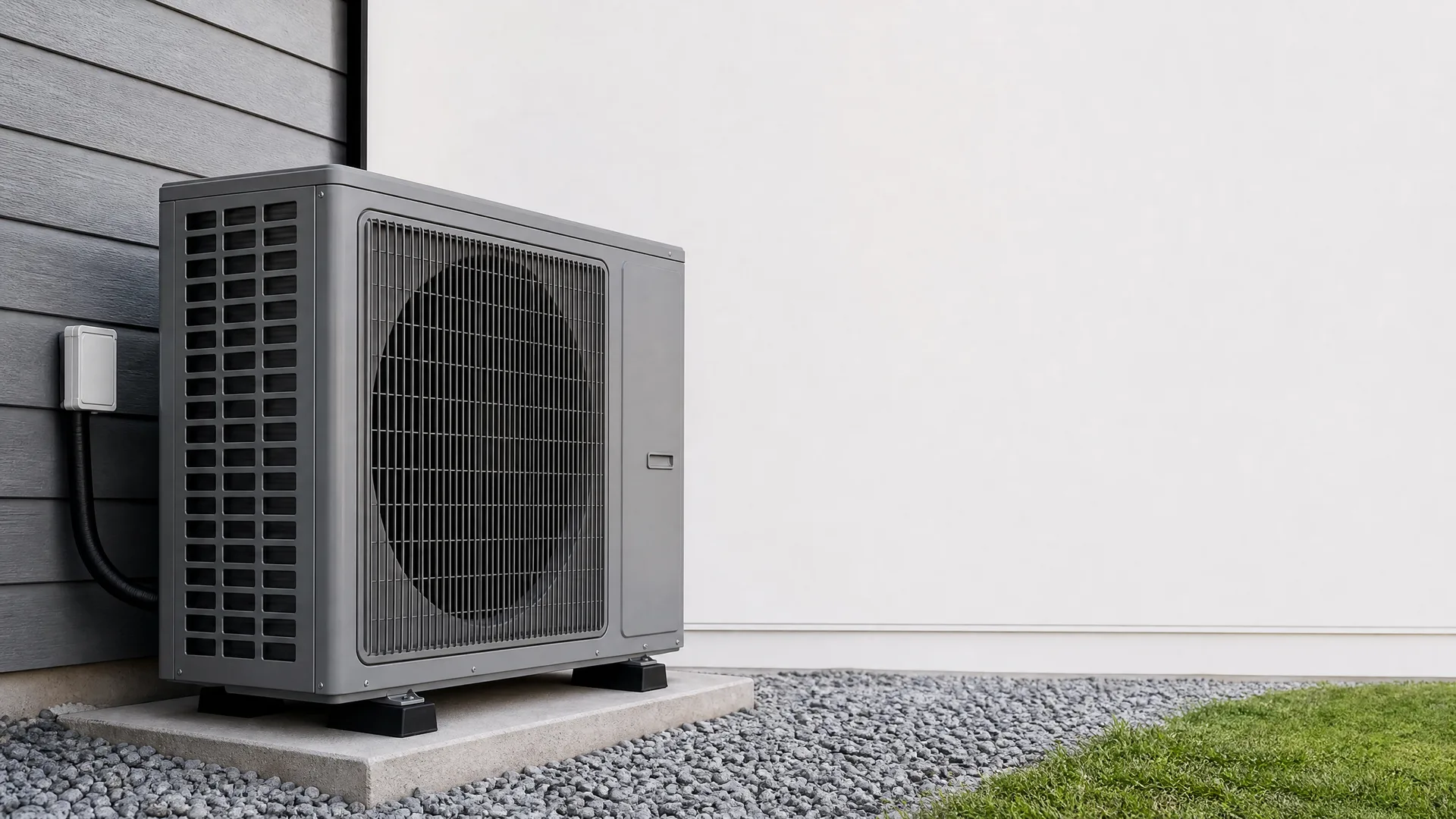
A gray outdoor heat pump unit on a concrete pad beside a house with dark horizontal siding and a plain white wall, surrounded by gray gravel next to a strip of grass.

Why the air feels cool

A heat pump moves heat instead of burning fuel for it, so the air coming out of your vents runs around 90 to 100 degrees. That is warmer than the room, but well below your skin temperature, so it can feel cool on your hand even while it's doing its job. In Marathon County, where outdoor temperatures drop well below freezing for months, that gap between vent air and body heat is more noticeable than it would be in a milder climate.

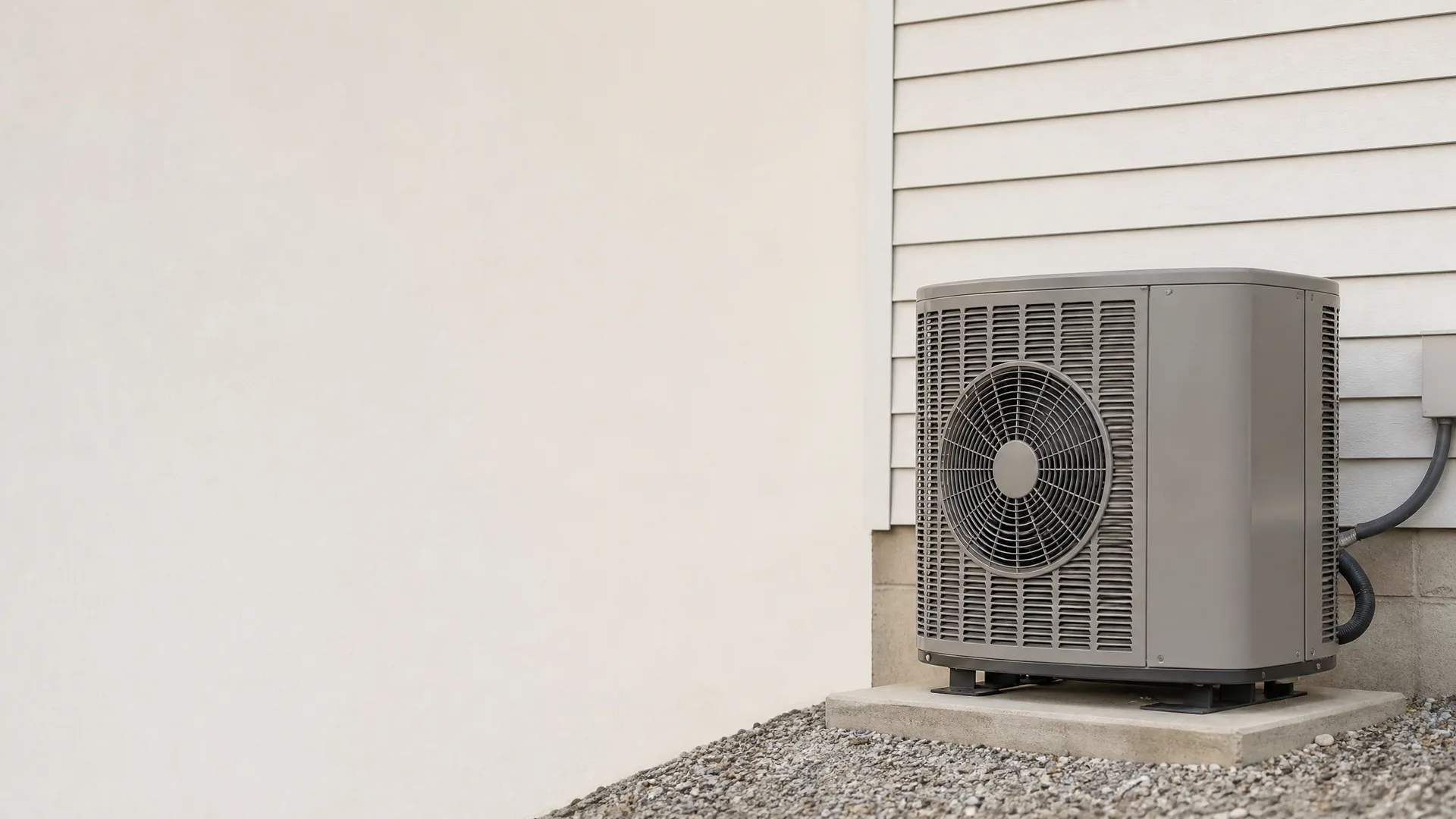
A gray outdoor heat pump unit on a concrete pad over gravel, beside a house with horizontal siding and an adjoining light stucco wall.

When it points to a problem

Defrost cycles are normal. Every so often the outdoor unit reverses briefly to melt frost off the coil, and during that minute or two the air inside can feel distinctly cold. That's expected and it passes. What isn't expected is cold air running for long stretches, a unit that won't shift back to heating, or outdoor coils caked in ice that never clears. Those point to a refrigerant issue, a failed reversing valve, or a control board problem that a contractor needs to look at.

Why does my heat pump have to work so hard to keep up here?

  • Winter nights average 9°F

    At 9°F, the air outside holds a lot less heat for the system to pull from, so the air at your vents runs cooler than it does on a mild day.

  • Heat runs September through May

    Heat runs September through May here, so your heat pump spends most of the year leaning on its hardest setting just to keep the house warm.

  • Cooling runs July through August

    Cooling only runs July and August, which means the heat pump's real test in Marathon County is the cold months, not the warm ones.

NOAA nClimDiv 1991-2020

What's Actually Happening Inside

  • Defrost mode runs the compressor in reverse for a few minutes, sending cold air through your vents while frost melts off the outdoor coil.
  • The outdoor fan shuts off during defrost so the coil heats up fast, and you may hear the system change sound as it switches.
  • A reversing valve stuck mid-cycle can leave the system blowing cold well past when defrost should end.
  • Low refrigerant charge drops the temperature of the air at the vents even when every other part of the system is running fine.
  • A thermostat set to emergency heat or fan-only bypasses the heat pump entirely and pushes unheated air through the ducts.
  • Ice that builds up faster than defrost can clear it points to a failing sensor or a fan motor that isn't keeping up.

Defrost is the one your heat pump runs on purpose. When frost builds on the outdoor coil, the system briefly reverses itself, pulling heat from inside the house to melt that frost off, rather than pulling heat from outside the way it does the rest of the time. The outdoor fan stops moving air across the coil so the coil can warm up quickly. Inside, that shows up as a few minutes of cold air at the vents and sometimes a shift in the sound the system makes. In Marathon County winters, with heat running September through May, this cycle happens often and it should end on its own within several minutes. What's not normal is cold air that doesn't quit. A reversing valve that sticks partway through its switch can leave the system stuck in defrost mode, or stuck not heating at all, long after it should have moved on. Low refrigerant charge is a different problem entirely: it cools the air at the vents all the time, not just during defrost, because the system doesn't have enough refrigerant to carry heat the way it's supposed to. Check the thermostat too. A setting left on emergency heat or fan-only will send air through the ducts without the heat pump doing any heating at all. And if ice is building on the outdoor unit faster than defrost cycles can clear it, that usually means a sensor or the fan motor isn't doing its job.

A smiling man in a dark green long-sleeve shirt reclines on a sofa in a dimly lit living room, with a bowl of popcorn on a side table in the foreground and a bookshelf, lamp, and houseplant behind him.
A smiling man with graying hair and stubble in a blue henley shirt sits on a gray sofa with cushions in a living room, with a bowl of popcorn on a wooden table in the foreground.
A bearded man in a dark quarter-zip sweater sits smiling on a brown sofa in a dimly lit living room, with a bowl of popcorn and a mug on a table in the foreground and a potted plant near a window behind him.
A smiling bearded man in a dark blue henley shirt sits leaning back on a light grey sofa in a living room, with a bowl of popcorn on a wooden coffee table and a large window behind him.

Matched to your heat pump job

After you send the request, you're done searching.

You only hire the pro if you want to.

When your heat pump can't keep up in a Marathon County cold snap, you'll feel it first at the thermostat, the house running a few degrees under the setpoint while the system runs almost constantly. If the air at the vents stays cold rather than just cool, and the house keeps losing ground, the backup heat may not be kicking in when it should, and that matters more here than almost anywhere, since outdoor temperatures in the single digits leave little room for a heating system to fall behind. A thin coat of frost on the outdoor unit is normal on a January morning, but if the coil is caked in ice or the unit looks frozen solid, the system isn't recovering from defrost the way it's supposed to. Left alone through a stretch of hard cold, that's a house that slowly cools room by room, pipes that sit closer to freezing than anyone would like, and a power bill that climbs as the system strains without actually warming the place.

An outdoor air conditioner condenser unit on a concrete pad beside a house with beige horizontal siding, with conduit running from an electrical box on the wall.
Before you get your heat pump repair
A gray outdoor condenser unit sits on a concrete pad against a house wall with horizontal siding above a stone veneer base, with an electrical disconnect box and conduit on the wall and a leafy shrub in mulch to the left.
After you get your heat pump repair

Your heat pump warms your house by moving refrigerant through a reversing valve, which decides whether the outdoor coil or the indoor coil does the work of releasing heat into your rooms. That valve runs on a solenoid, and when it sticks, the system can keep acting like it's cooling even though the thermostat is calling for heat. A unit low on refrigerant has the same effect from a different cause. The indoor coil never gets hot enough, so what reaches your vents is cool instead of warm. If the compressor can't keep up on its own, electric heat strips are built in to pick up the difference, and a failed strip means nothing backs it up. Even a thermostat set wrong, or stuck on a cooling call, will send the system running backward on purpose. Sometimes none of that is broken, and the air just feels cooler than it is because a dirty filter or blocked return is slowing it down on its way to you.

What's actually happening inside the system

  • A reversing valve switches the refrigerant flow so the outdoor coil becomes the condenser and the indoor coil becomes the evaporator.
  • When that valve gets stuck or its solenoid fails, the system can keep running in cooling mode no matter what the thermostat calls for.
  • A low refrigerant charge keeps the indoor coil from reaching a high enough temperature, so the air at the vents stays cool even in heat mode.
  • Backup electric heat strips are supposed to fire when the compressor can't keep the air warm enough, and a failed heat strip leaves only cool air coming through.
  • A thermostat set to the wrong mode, or one with a stuck call for cooling, will run the compressor backward on purpose.
  • Airflow problems, like a clogged filter or blocked return, can make warm air feel cooler than it is by the time it reaches you.
A woman with dark hair in a bun reclines on a light gray armchair with eyes closed and a slight smile, wrapped in a knitted beige blanket, with a lit table lamp, plant and dark green book nearby.
A man in a dark gray sweater sits smiling at a dining table with a glass of red wine, plates of salad, a candle in a holder, and a glass of water, with a window, lamp and houseplant behind him.
  1. The thermostat calls for heat and the compressor starts up.

  2. Refrigerant flows to the reversing valve toward the indoor coil.

  3. Frost builds on the outdoor coil as it pulls in heat.

  4. The system reverses briefly to defrost, sending cool air inside.

Normal Warmth or a Real Problem

Normal operation

  • Air at the vents runs around 90 to 100 degrees, which is below skin temperature and can feel cool even when the system is heating correctly.
  • Defrost mode sends cold air through the vents for a few minutes while the outdoor coil clears frost, then warm air returns.
  • The house holds close to the setpoint, maybe a degree or two under, even while the system runs long cycles in cold weather.
  • Outdoor temperatures near or below 9°F mean the system pulls from less available heat, so vent air runs cooler than on a mild day.
  • The compressor and fans cycle on and off in a pattern that matches the thermostat's calls, not random starts and stops.

Needs a repair call

  • Air at the vents stays cold rather than just cool, with no stretch of warm air between defrost cycles.
  • The thermostat calls for heat but the house keeps losing ground, running several degrees under the setpoint for hours.
  • A stuck reversing valve or failed solenoid can leave the system running in cooling mode regardless of what the thermostat asks for.
  • The outdoor fan stays off outside of a normal defrost cycle, or the system seems to run defrost far more often than it should.
  • Unusual sounds accompany the cold air, like a change in compressor noise that doesn't resolve once defrost ends.
  • The system runs almost constantly without ever closing the gap between room temperature and the setpoint.
A gray outdoor condenser unit sits on a concrete pad beside a house with horizontal lap siding, with a wall-mounted disconnect box and refrigerant lines, mulched beds and a shrub nearby, and a concrete walkway in the foreground.

Running clean

A coil like this stays clear of leaves and grime, so the outdoor unit can pull in heat even when the air outside is thin on it. The conduit and disconnect box are intact, which matters when a tech needs to shut the unit down safely to look at the reversing valve or the compressor.


An outdoor air conditioner condenser unit on a concrete pad beside a house with horizontal vinyl siding, with refrigerant lines and an electrical disconnect box on the wall and dry leaves on the ground.

Running in trouble

Dirty fins block airflow across the coil, so the system has to run longer to move the same amount of heat, and in a hard Marathon County winter that strain shows up as cold air that doesn't warm back up. Leaves piled against the base can choke the fan further.

Power here costs 16.66 cents per kilowatt-hour

At 16.66 cents per kilowatt-hour, a heat pump running hard against a Marathon County cold snap shows up fast on your bill. That's one more reason to get a system blowing cold air looked at rather than let it run long hours for less warmth.

EIA-861 2025

A man in a dark blue shirt stands in an open front doorway of a stucco and wood-clad house, facing a blond woman seen from behind in the foreground on a stone walkway.

So what does cold air at the vents actually tell you

Most of the time, cold air is just how a heat pump sounds, not how it breaks. Warm vent air runs cooler than your skin even when the system is working right, and a few minutes of real cold during defrost is the system clearing its own coil. What's not normal is cold air that doesn't warm back up, or a house that keeps sliding below the setpoint while the system runs and runs. That's the line between what you can leave alone and what needs a look.

If you're on the wrong side of that line, a stuck reversing valve or a defrost cycle that won't release is a repair for someone who can get inside the system and find out which one it is. Once you send the request, that part stops being on you. A contractor who covers Marathon County gets in touch and takes it from there.

Interior corner of a living room with a sheer-curtained window, a light wood console table holding a vase of greenery and a shallow bowl, a woven basket on the lower shelf, and a blurred upholstered sofa and dark wood table in the foreground.
A lit ceramic table lamp with a linen shade sits on a round wooden side table with a small vase of greenery and a dark shallow bowl, beside a beige upholstered sofa with a cushion and knit throw, below a framed artwork on a pale wall.
Corner of a beige linen sofa with a large woven cushion and a fringed knit throw, beside a potted leafy tree in a woven basket against a neutral wall.
Sunlit interior corner with a wood-framed armchair with beige cushions and a striped pillow, a leafy plant in a tall ceramic pot, a window with wood sill showing green foliage outside, and dark wood flooring.
A lit black path light beside a stone walkway leading to a dark front door of a white clapboard house, with shrubs and flowering plants in the bed at dusk.
A covered porch at dusk with a wooden front door, a lit lantern wall sconce on gray horizontal siding, a black rocking chair with a cream throw, a potted white flowering plant, a coir doormat, and a window showing a lit interior lamp.

A heat pump pro near you

Send the request today and stop worrying about who to call.

Request a pro

Asking costs nothing, and the choice to hire stays yours.





