

Running clean
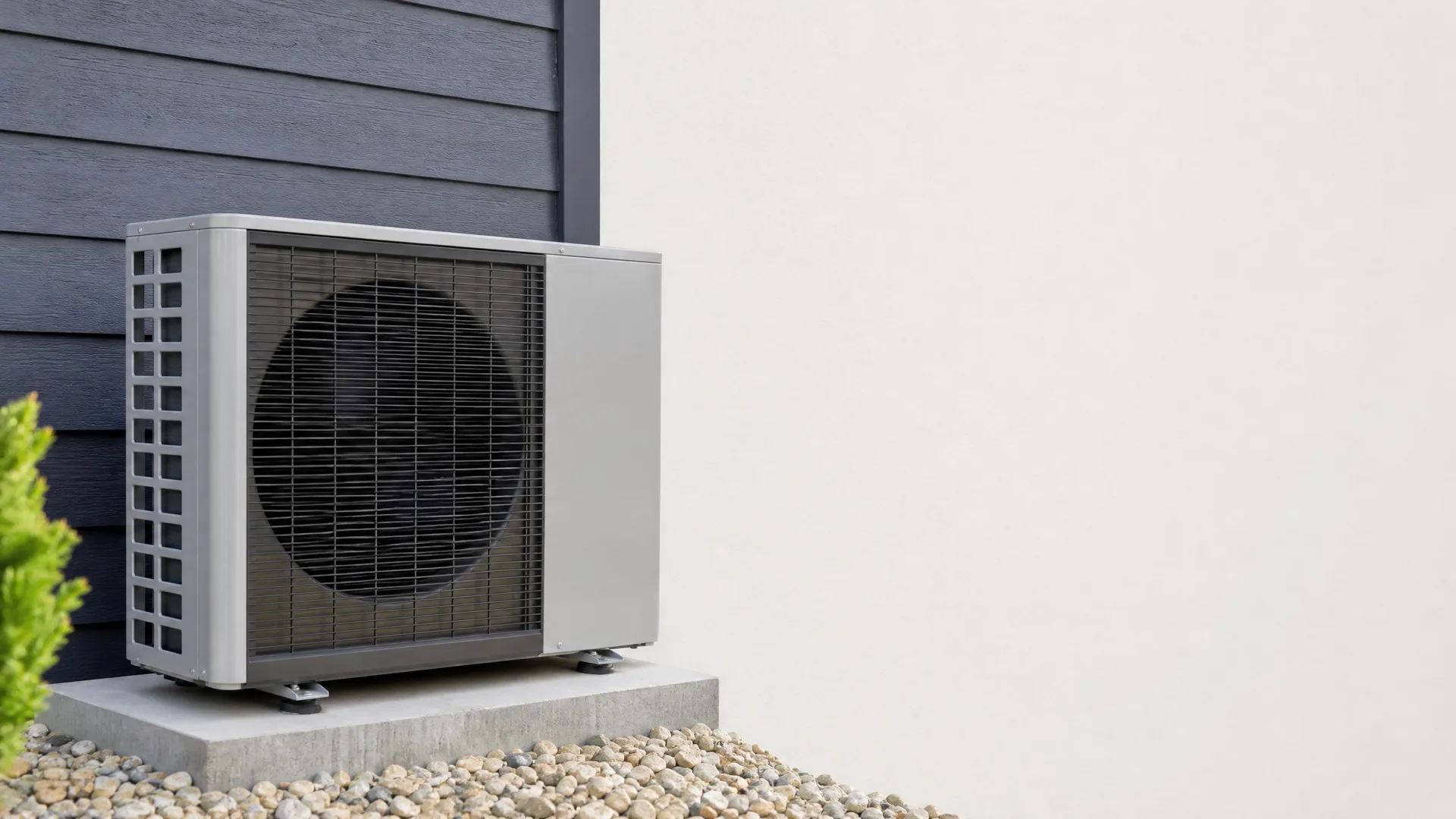
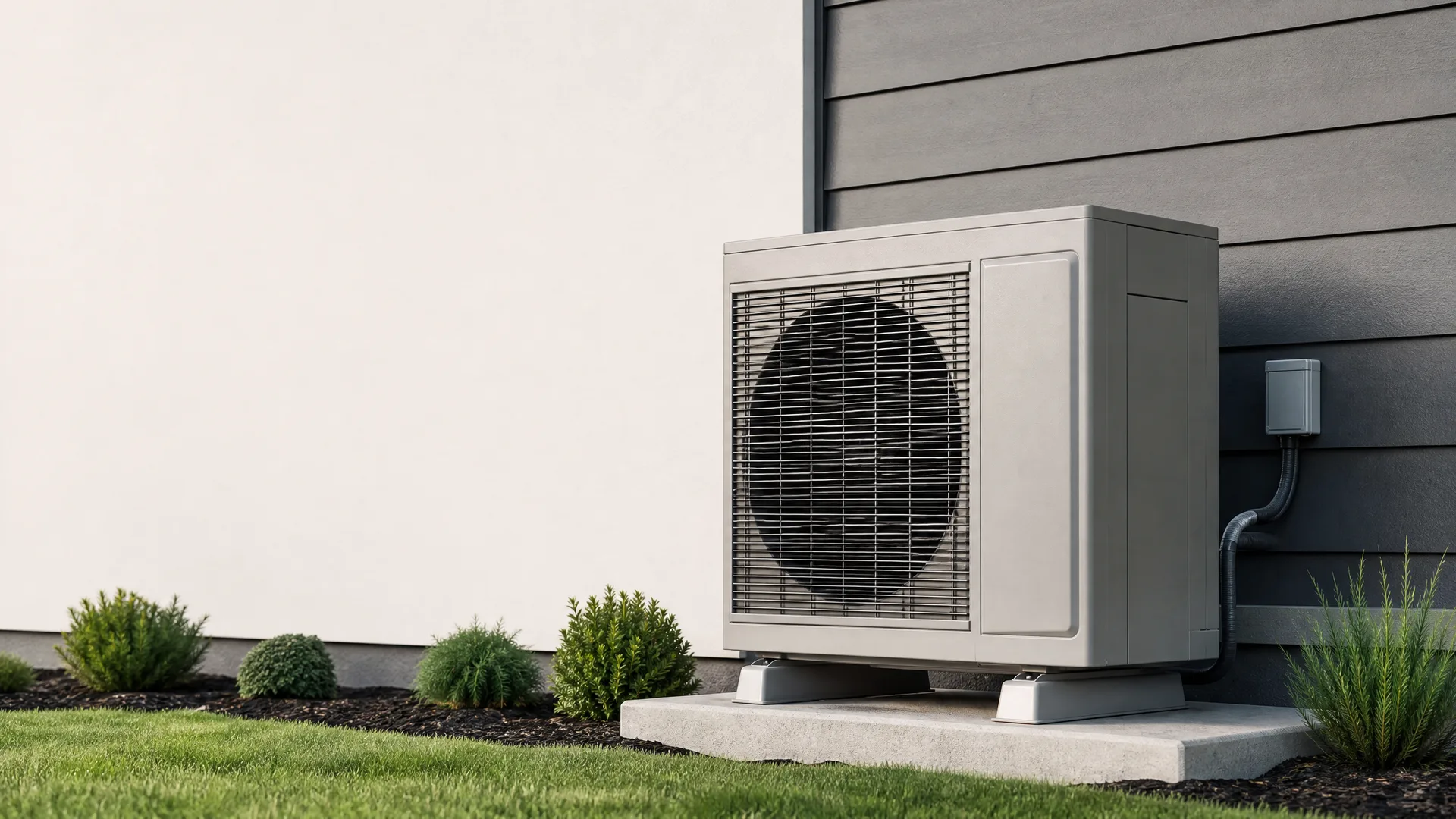
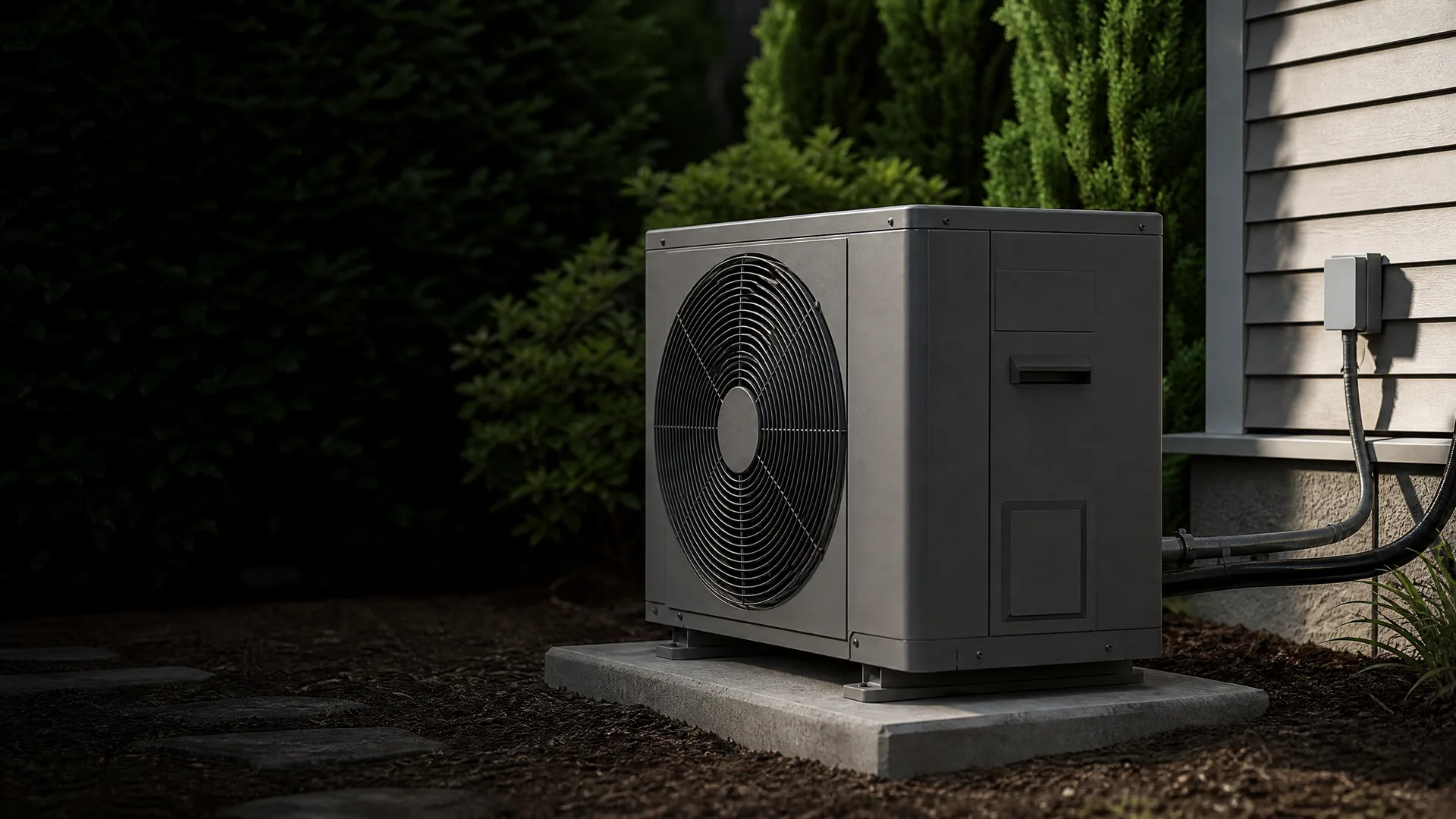
The pad is clear and dry around the base of the unit. Refrigerant lines run tight to the disconnect box on the siding, and the coils underneath the fan grille show no ice, even on a cold morning. Nothing is pooling in the mulch nearby.
Skip calling shops to ask who repairs heat pumps in Brown County.
Start one formWater around your heat pump's indoor unit usually means the condensate line is clogged or the drain pan has cracked. As the system pulls moisture out of the air, that water is supposed to run off through a small drain line, and if algae or debris blocks it, the water backs up and spills over the pan instead. In winter, a heat pump here can also ice over during a defrost cycle, and the melt has to go somewhere. If the line freezes or sits blocked, that melt ends up on your floor instead of outside. A clogged line is a straightforward fix. Water tracking back into the unit or near electrical connections is not something to leave for later, since Green Bay winters put these systems through long, hard runs and a small leak now tends to turn into a bigger repair once the system has to keep working through the cold.
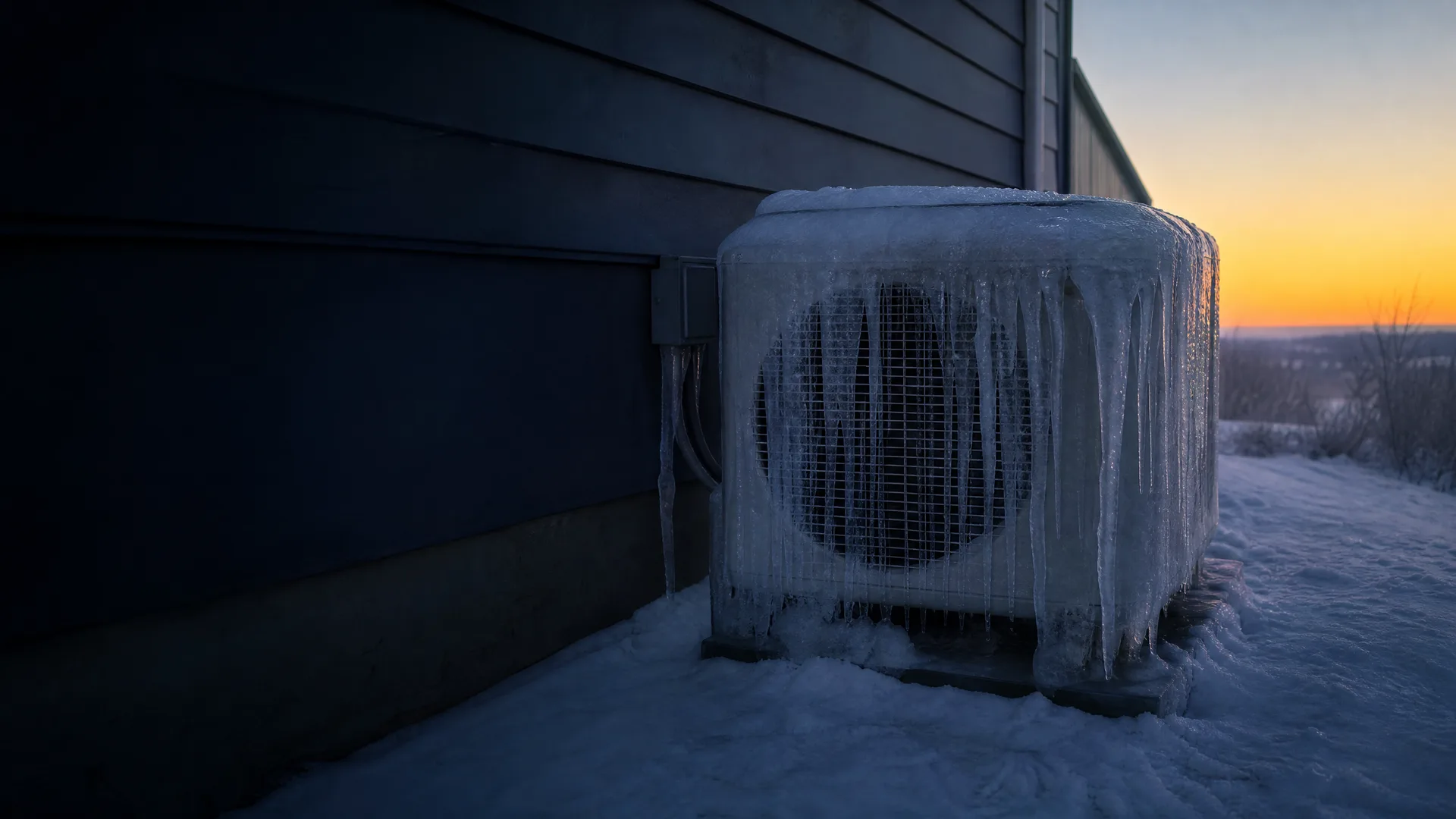
You walk out to the side yard before work, still dark, mid-January. The outdoor unit is sitting under a shell of ice, thick over the coils and the fan grille, and at the base, where the ice meets the ground, there's a puddle spreading into the snow. It's not supposed to build up like that. A little frost most mornings is normal here, but this is solid, like it never got the chance to run its defrost cycle overnight. The unit sits quiet. No fan turning, no hum. Just the ice, and the water tracking out from under it across the frozen ground toward your driveway.
Winter nights average 14°F
Winter nights here average 14°F, so the outdoor coil frosts over hard, and the water from each defrost cycle needs a clear path away from the unit.
Heat runs September through May
Heat runs nine months a year, September through May, which means the condensate system is working almost constantly and has little downtime to stay clear.
Cooling runs July through August
Cooling runs July and August, so for two months the indoor coil is pulling moisture out of the air that also has to drain without backing up.
NOAA nClimDiv 1991-2020
Clear the line yourself and the water stops for a week, maybe two, then it backs up again because the clog inside the drain was never the real problem, just the part you could reach.
Have someone qualified trace it to the pitch of the line, the condition of the pan, or ice at the coil, and the water stops because the actual cause got fixed instead of the symptom.




The indoor coil pulls moisture out of the air, and that water has to go somewhere. It drips into a pan, then into a PVC line that runs by gravity to a floor drain or outside. Gravity only works if the pitch holds the whole way. Let the line sag anywhere in a crawlspace or attic run and water sits instead of moving, which is where the algae starts. That algae builds up slowly along the inside wall of the pipe, so the first sign is usually a slow drip, not a flood. By the time the pan overflows, the line has likely been narrowing for weeks. Many installs also include a second pan under the first, with a float switch that cuts power to the system the moment it senses water. If your system shuts off with no warning, that switch doing its job is often the real story, not a failed compressor. The outdoor unit has its own drainage problem in winter. Defrost mode melts the frost off the coil on a timer, and that meltwater needs a clear path away from the base before it refreezes. A trap in the line matters too. It keeps air from the system pushing backward through the drain. A trap that's dry or cracked lets that air blow water sideways out of the line instead of letting it fall where it should. Each piece depends on the one before it holding its shape.


A heat pump here spends a lot of winter in defrost, melting the ice that builds on the outdoor coil so it can keep pulling heat from the air. Each defrost cycle sheds water that has to drain away, and with winter nights averaging 14°F, that cycle runs often. A line with the wrong pitch or a cracked pan can't keep up with that much runoff, and the water shows up as a puddle or ice at the base of the unit. Someone who services heat pumps in Brown County through the winter sees this pattern on call after call and checks the drain path first, not just the clog. Source: NOAA climate normals, Brown County, WI.
NOAA nClimDiv 1991-2020
You've already read what's probably wrong. Knowing it is one thing. Finding someone to pull the indoor unit apart, check the pan and the trap, and trace that line to wherever it actually drains is another, and it eats an evening you don't have: searching, calling two or three outfits, describing the puddle and the ice each time, then sitting with quotes you can't really compare because none of them saw the same thing. One request here goes to a contractor who works on heat pumps around Green Bay all winter and has seen this exact puddle at the base of a frozen unit more times than you have. They're not guessing from a description over the phone. With nights averaging 14°F and the system in defrost for months, a line that's marginal in October is the one failing now, and that's a familiar pattern to someone who's under these units every week this time of year, not a new puzzle each time.
If the water shows up on cold days and the system is in heating mode, look at the outdoor unit first. Defrost cycles melt ice off the coil, and that water has to run off the pad through its own small drain path. Snow piled against the base or a pad that's settled unevenly can trap that runoff right where the unit sits, so it refreezes and spreads instead of draining away.
If the water is pooling near the indoor unit regardless of season, the condensate line or drain pan is the more likely cause. Algae and debris build up inside that line over years and narrow it until water backs up into the pan and over the edge. A cracked pan does the same thing even with a clear line, since there's nothing left to catch what the coil sheds.
You traced the water to the indoor unit, maybe in a closet or the basement, not the outdoor pad. That changes what's likely wrong. The outdoor unit deals with ice and defrost cycles. The indoor unit deals with condensation and drainage, and it runs that way whether it's July or January, so a leak there points somewhere else entirely.
The indoor coil pulls moisture out of the air every time the system runs, heating or cooling, and that water is supposed to collect in the pan underneath and leave through the drain line. Water showing up at the indoor unit instead of outside means something in that path failed: a clogged line, a cracked pan, or a trap that's lost its seal and is letting air push water back up instead of down. None of that depends on outdoor temperature, which is why you can see this leak in any month. A contractor who works on these systems checks the pan, the trap, and the line's pitch to find exactly where the water is leaving the path it should be following.

The pad is clear and dry around the base of the unit. Refrigerant lines run tight to the disconnect box on the siding, and the coils underneath the fan grille show no ice, even on a cold morning. Nothing is pooling in the mulch nearby.

Ice has built up over the coils and down onto the grille, and where it meets the concrete pad, a puddle is spreading toward the mulch bed. That's the outdoor unit shedding more water than the pad can clear, not just condensation off the lines.

Whether it's the indoor pan, the condensate line, or ice building up on the outdoor coil, the water is telling you something specific about your system. Someone who can get eyes on the unit, trace the line, and check the pan and the pitch will find it. That's the whole job: find where the water is actually coming from, then fix that part.
You could spend a weekend calling around Brown County, explaining the same puddle and the same symptoms to three different companies, then sitting with three quotes trying to guess which one actually knows heat pumps instead of furnaces. Or you can put in a request once and have it go to a local contractor who works on this equipment all winter, knows what Green Bay's cold does to a condensate line, and can tell you on the spot what they're looking at.

Skip calling around