


What temperature to set your AC in Wisconsin summers

A local pro who services air conditioners gets in touch about the tune-up.

Get a local pro

What temperature should I set my AC to in the summer in Wisconsin?

You want a number that works for a Wisconsin summer without running up the power bill or leaving the house sticky. Humidity here makes a room feel warmer than the thermostat says, so the setting that felt right somewhere else might not feel right here.

Set it to 78 when you're home, higher when you're not

78 degrees is the setting most homes land on for comfort without pushing the air conditioner harder than it needs to work. Power here isn't cheap, and every degree lower adds to what the unit pulls to keep up, especially on the muggy afternoons that make up a Wisconsin summer. If no one's home, pushing it up to 85 or so and letting it recover before you're back saves more than running it low all day. The humidity matters as much as the number. A room at 78 with the air actually dry feels better than one at 74 that still feels damp, which comes down to how well the system is pulling moisture out along with the heat.

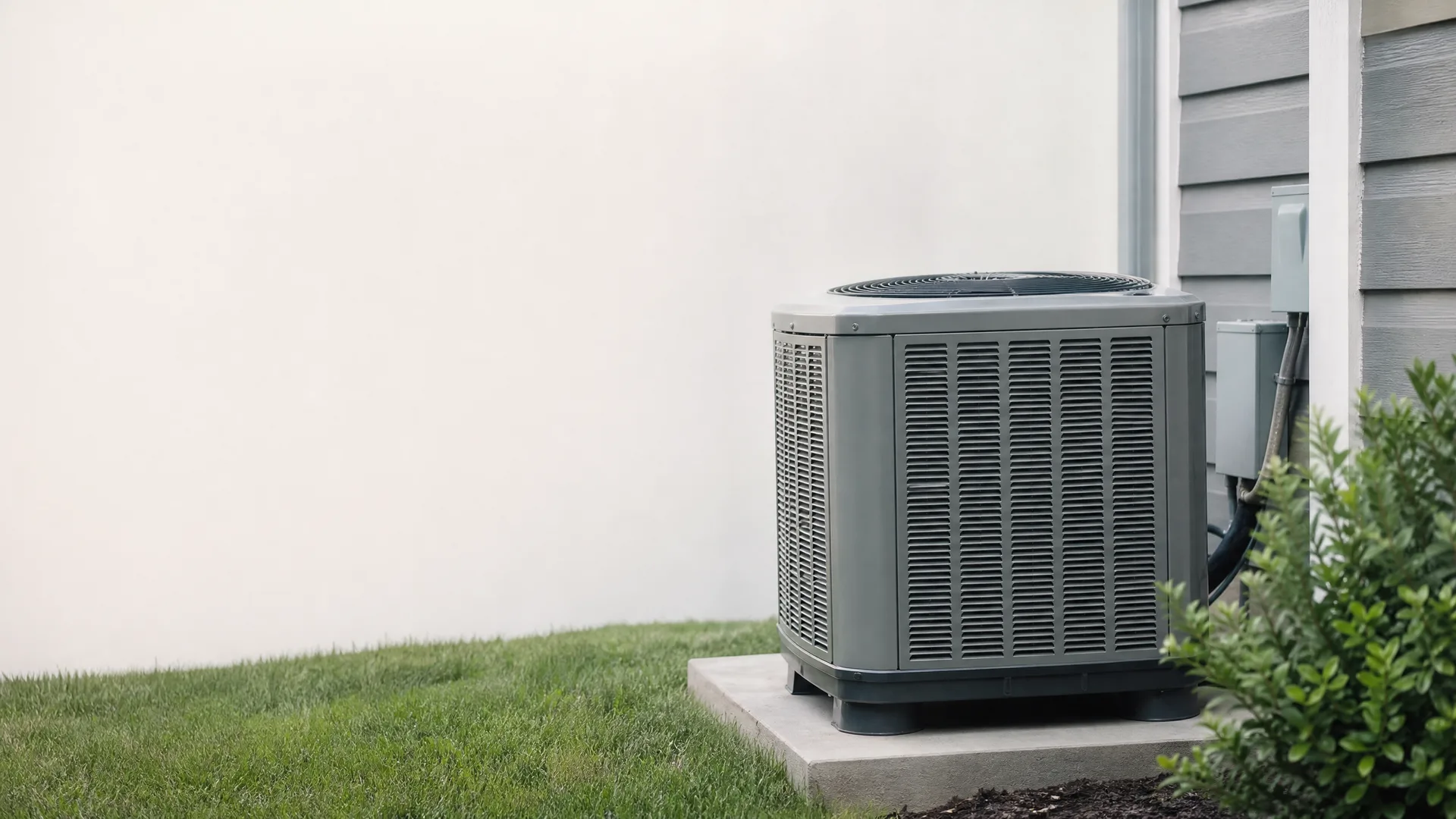
A gray outdoor air conditioner condenser unit on a concrete pad beside a house corner with lap siding and a stucco wall, surrounded by mown green grass.

Why every degree counts here

Power rates in Wisconsin run high, and your air conditioner uses more electricity than almost anything else in the house during July and August. Each degree you lower the thermostat adds to what the compressor has to do, and that shows up on the bill. Setting it a few degrees higher when no one's home, then back down in the evening, costs less than holding one number around the clock.

An outdoor air conditioning condenser unit on a concrete pad beside a house with light stucco and lap siding, with mown grass to the left and a green shrub to the right.

Humidity changes what you feel

An air conditioner cools the air and pulls moisture out of it at the same time. When the outdoor air is heavy and wet, the system works harder to strip that moisture, even if the thermostat reads the same number. A well-maintained system removes humidity efficiently. One that's low on refrigerant or has a dirty coil will run long cycles and still leave the house feeling damp.

Lower for Comfort or Higher to Save

Set it lower

  • The house feels cooler the moment you walk in, which matters if anyone home is sensitive to heat.
  • Humidity drops faster when the compressor runs longer, so the air feels drier even before the temperature itself moves much.
  • The system cycles less often, which some owners prefer over hearing it click on and off all afternoon.
  • Your power bill will run higher for the month, since the compressor is working more to hold that lower number.
  • Pushed too low, the unit may struggle to keep up on the hottest, stickiest days and run close to nonstop.

Set it higher

  • The compressor runs less, so the bill is lower for the same stretch of hot weather.
  • The house will feel warmer and, if the air isn't moving, a bit stickier even at the same humidity level.
  • Shorter run times mean less chance to pull moisture out of the air, so a room can feel muggy even near 75.
  • It eases the load on the system during the hours when Wisconsin summer heat and humidity are both at their worst.
  • Guests or family members used to a cooler house may notice and ask you to turn it down.
A gray outdoor air conditioner condenser unit on a concrete pad beside a house with horizontal lap siding, with a wall-mounted disconnect box and conduit to its right and shrubs to the left.

Running the way it should

A condenser that's kept up draws steady power and holds the temperature you set, even on a sticky July afternoon. The pad is clear, the coil behind the guard is clean, and the unit cycles the way it was built to. That's what keeps a given thermostat setting affordable.


An outdoor air conditioning condenser unit on a concrete pad beside a house with horizontal lap siding, with a conduit and electrical disconnect box on the wall at right.

Working harder than it should

Dirt built up on the coil guard makes the unit work longer to move the same heat out of the house. The thermostat might read the same number, but the compressor is straining to get there, and the power bill shows it before you notice anything inside.

A woman wrapped in a thick fleece blanket sits on a sofa holding an open book, beside a lit table lamp and a frost-covered dark window.
A bearded man in a plaid flannel shirt looks out a window at snow-covered conifer trees, with a steaming ceramic mug on the sill and wooden shelves holding dishes and a plant behind him.

Your air conditioner doesn't make cold air. It pulls heat and moisture out of the air already in your house and sends that heat outside. The thermostat only reads temperature, so on a muggy July day it can hit the number you set while the room still feels damp, because moisture is a separate problem the thermostat can't see. Every time it calls for cooling, the compressor kicks on under load, and that start is the single biggest draw of power in the whole cycle. Set the temperature too low or let the system cycle on and off every few minutes, and you're asking the compressor to start over and over, which wears it down faster than fewer, longer runs would. Short cycles also don't give the evaporator coil enough time to wring real moisture out of the air, so the house can feel sticky even when the thermostat says it's cool. A dirty filter or a coil caked with dust makes all of this worse, forcing the system to run longer just to reach the same setting.

How your system actually cools

  • A central air conditioner cools by pulling heat and moisture out of the air, not by blowing in cold air from nowhere.
  • The thermostat only measures air temperature, so it can't tell the compressor to work harder just because the room feels muggy.
  • Every time the thermostat calls for cooling, the compressor starts under load, and that start draws the most power of the whole cycle.
  • A system set to cycle on and off every few minutes wears the compressor faster than one that runs in longer, steady stretches.
  • The evaporator coil needs enough runtime to pull real moisture out of the air, which is why short cycles leave a house feeling damp even at a low setting.
  • A dirty filter or a clogged coil makes the system run longer than it should just to reach the same number on the thermostat.
A gray outdoor air conditioning condenser unit on a concrete pad beside a house with horizontal siding and a stone veneer base, with a wall-mounted disconnect box and conduit, next to a shrub bed and a concrete patio.
A clean condenser on a clear pad cycles the way it was designed to, holding whatever temperature you set.
An outdoor air conditioner condenser unit on a concrete pad beside a house with light gray vinyl siding, with a gray electrical disconnect box and conduit on the wall, gravel beds and dried plants nearby, and a concrete sidewalk in the foreground.
A unit boxed in by weeds and sitting in old gravel has to fight for airflow, so it runs longer to hold the same temperature.
An older man with gray hair and a beard stands in a dimly lit entryway wearing a dark hooded coat dusted with snow, with a lit table lamp, framed picture, and front door with glass panels behind him.
An older man with gray hair and a beard, wearing a dark snow-dusted jacket and scarf, stands smiling in a dimly lit entry hall with a lamp, wooden front door and staircase behind him.
A gray-haired bearded man in a dark coat with snow flecks on the shoulders stands just inside a dimly lit home entryway, with a lamp, framed pictures, sofa and candle-style lights in the background.
An older man with gray hair and a beard, wearing a dark coat and scarf dusted with snow, stands in a warmly lit home entryway with an arched doorway, lamps, and a living room visible behind him.

Get your air conditioner to the right pro

You've picked a number that fits your house and your power bill, but holding it depends on a condenser that can still move heat the way it's supposed to. One that's choked with weeds or caked with dust works harder to reach the same setting, and it shows up on the July bill before it shows up as a breakdown. A tune-up catches that early: the coil cleaned, the refrigerant charge checked, the pad cleared so the unit can breathe. None of that is something to put off until the thermostat stops keeping up on the worst week of summer. Getting a contractor out now, while the system is still running, costs you nothing but the time it takes to fill out a form. After that, it's off your plate. Someone who knows these units takes it from there, and you go back to a house that holds whatever number you set, without watching the compressor to see if it's keeping up.

A gray outdoor air conditioning condenser unit on a concrete pad beside a house with horizontal lap siding, with a conduit and electrical disconnect box on the wall and a green shrub in mulch to the right.

Clear and running right

This is a condenser with room to breathe. The pad is clear, the line set runs clean up the wall, and nothing is stacked against the cabinet to block airflow in or out. A unit set up like this can hold the temperature you picked without extra strain.

A weathered outdoor air conditioner condenser unit on a concrete pad beside a house with horizontal vinyl siding, with a conduit and disconnect box on the wall to the right.

Choked and neglected

Dirt has caked into the grille and leaves have piled up against the base. Air can't move through the coil the way it needs to, so the unit runs longer to reach the same setting. Left like this through a Wisconsin summer, it costs more to hold any temperature at all.

An outdoor air conditioner condenser unit on a concrete pad beside a house with horizontal lap siding, with a conduit running to a gray electrical disconnect box on the wall.
Before you get your air conditioner maintenance
A gray outdoor air conditioner condenser unit on a concrete pad beside a house with horizontal lap siding, with a wall-mounted disconnect box and conduit at left and a green shrub and mulch bed at right.
After you get your air conditioner maintenance
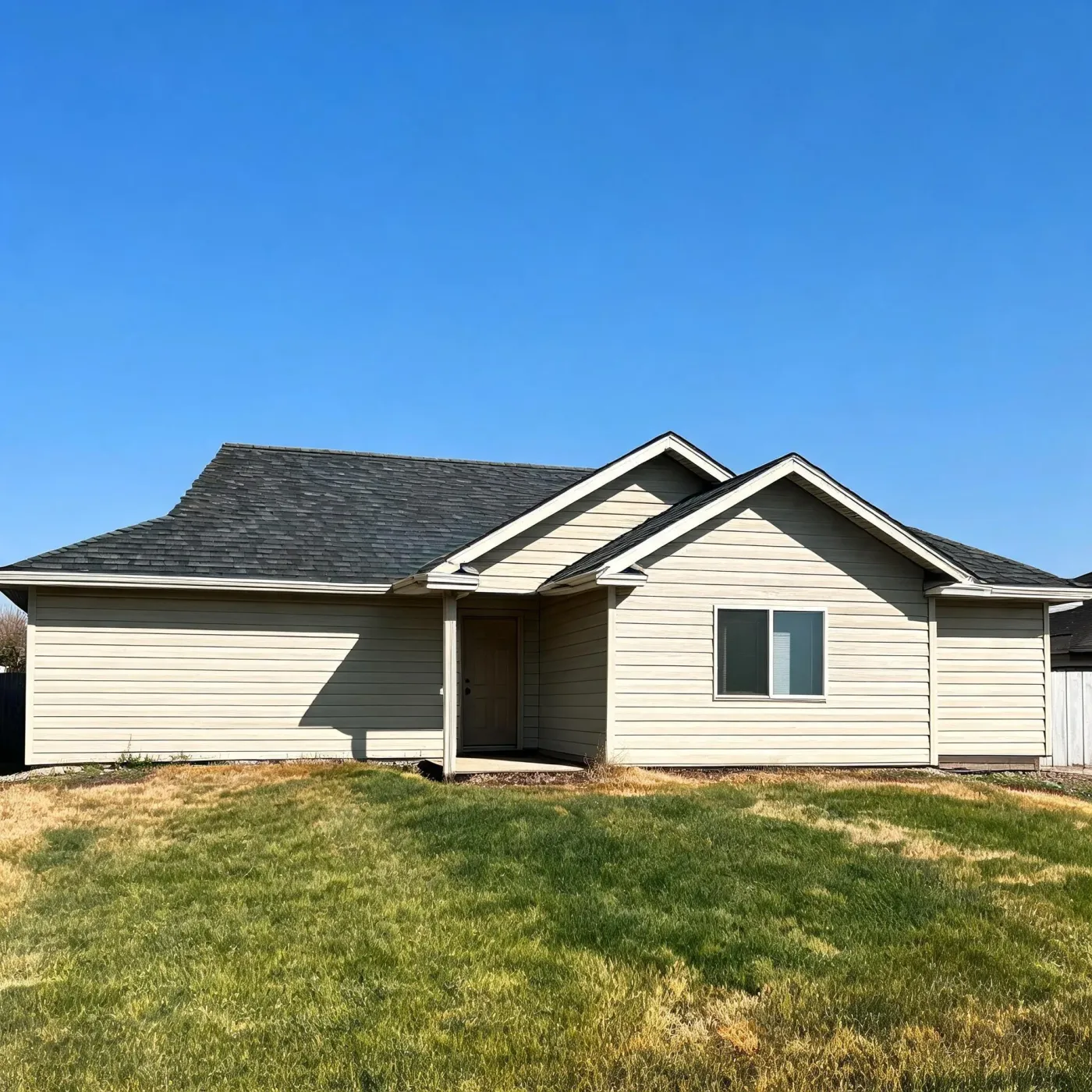
Single-story house with beige horizontal lap siding and a dark gray shingled gable roof, with a single window and a recessed front door, fronted by a patchy green and brown lawn under a clear blue sky.

A 60°F dew point is what Wisconsin summers average across June, July and August, according to NOAA climate data. That's heavy enough to feel sticky even when the thermostat says the room should feel fine. Your air conditioner has to pull that moisture out of the air before the house feels comfortable at whatever number you've set, and that takes longer than cooling dry air does. On the muggiest days you'll notice the system running past the point where the temperature stops dropping, because it's still working on the humidity. A condenser that's clean and getting enough airflow can keep up with that load. One that isn't will run longer and still leave the air feeling damp.

NASA POWER T2MDEW county cells weighted by homes

Why does your house still feel sticky at the temperature you set?

You set the thermostat where you want it, but the air in the room still feels damp, not just warm. Rooms upstairs lag behind the number on the wall. The system runs long stretches without shutting off, and the power bill reflects it at the end of the month. Sometimes there's a faint musty smell near the vents, which is moisture that isn't getting pulled out the way it should. These are signs the condenser outside is working harder than it needs to just to hold the setting you picked. Left alone, that strain adds up on the equipment itself, not just the bill, and shortens how long it runs the way it was built to.

  1. Thermostat calls for cooling when room air rises above your setting

  2. Refrigerant inside the indoor coil pulls heat and moisture from that air

  3. The blower pushes the now-drier air back through your ducts

  4. The compressor outside keeps running until the room reaches your setting

A woman in a cream sweater and jeans stands in an open black front door of a white stucco house, viewed over the shoulder of a man in a navy jacket in the foreground.

What a number on the wall doesn't fix

Pick 72 or pick 76, the house only gets there if the condenser outside can keep up. You'll notice first in the rooms farthest from the thermostat, upstairs bedrooms that stay warm at ten at night, or a living room that never quite catches up after the sun hits it all afternoon. That gap between what the wall says and what you feel is the system falling behind, not the number being wrong.

Left alone, a system working harder than it should runs longer to hold the same setting, and that shows up on the power bill before it shows up as a breakdown. Getting a contractor out to look at it isn't something you have to chase down yourself. Once you've sent the details, matching you with someone who covers your part of Wisconsin and knows what a sticky summer does to a condenser is the next step, and it moves without you having to call around.

Interior corner of a living room with a sheer-curtained window, a light wood console table holding a vase of greenery and a shallow bowl, a woven basket on the lower shelf, and a blurred upholstered sofa and dark wood table in the foreground.

Power costs 18.08 cents per kilowatt-hour statewide

At 18.08 cents per kilowatt-hour, every degree you push your thermostat down costs you more than it would in most other states. A setting of 74 or 75 keeps your house livable through a sticky Wisconsin summer without the compressor running up a bill that outpaces what your neighbors pay elsewhere.

EIA-861 2025 statewide residential average

A number on the thermostat is only half the job. You can set your AC to 75 and still end up with a sticky house and a high bill if the condenser outside can't keep up with a Wisconsin summer. What holds that number is a unit that's clean, clear of weeds and gravel, and cycling the way it was built to. Maintenance is what keeps it there through July and August, when your power bill already reflects some of the highest rates around. If you're not sure your system is holding up its end, a contractor who works on homes in your area can take a look and tell you where it stands. Once you send the request, you're done chasing it down. Someone who knows your kind of system and your kind of summer takes it from there, and the only thing left for you to do is wait for the call.

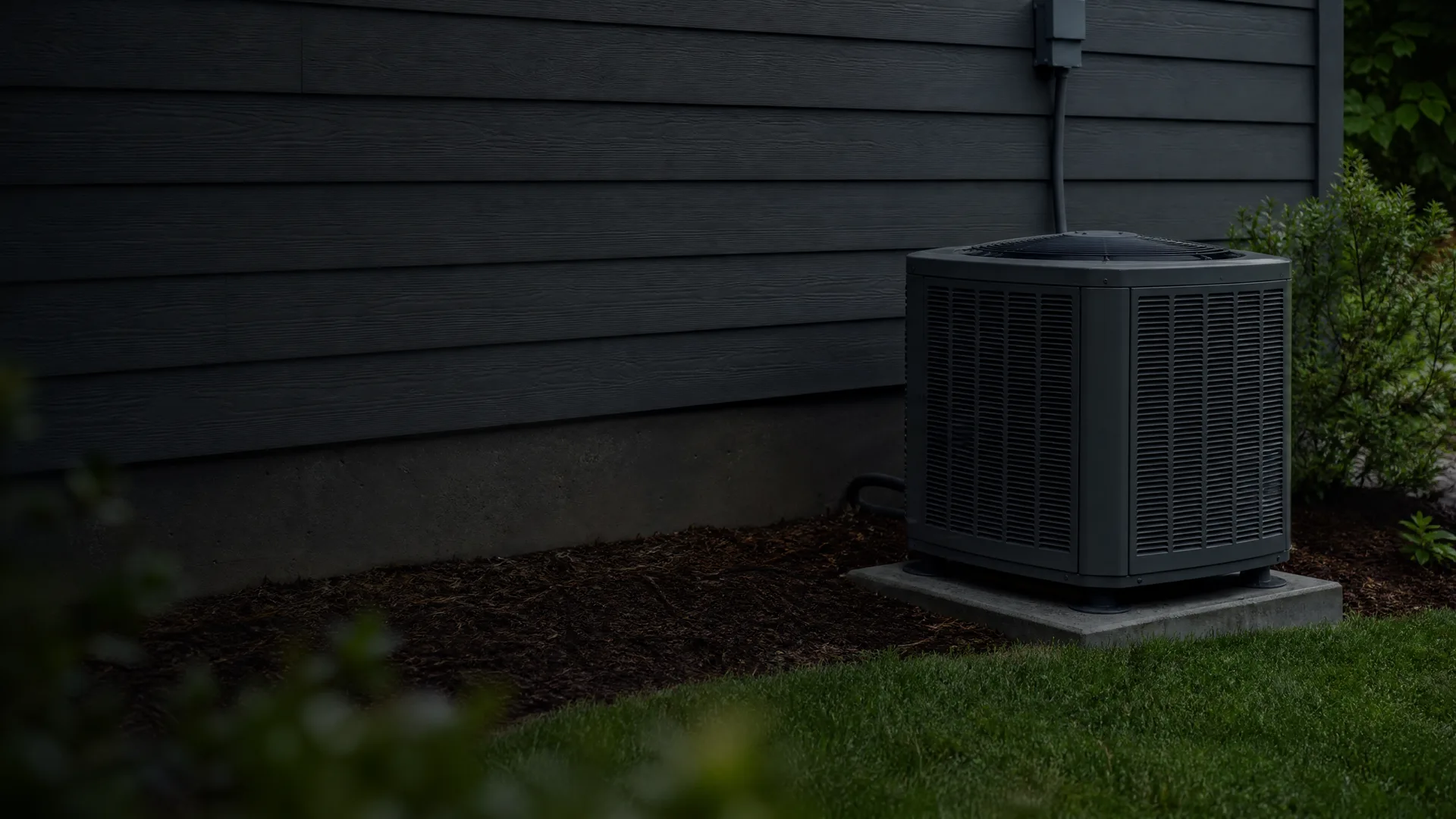
An outdoor air conditioner condenser unit sits on a concrete pad beside a dark horizontal-lap-sided house, with mulch, grass, and shrubs around it.

The right pro for this job

Send the form and the air conditioner tune-up stops being something to remember.

Tune-up, service, or cleaningCentral ACWisconsin
Step 1 of 2

What ZIP code is the job in?